
By Eoin, 18
Kennedy Space Centre, 1st April 2026, 18:35 local time. Artemis 2 launches the first manned mission around the moon in over 53 years since Apollo 17, which was the last moon landing. This mission has been one of the most fascinating space events in my lifetime: while it is one of the greatest scientific and technological achievements in decades, today I am going to look at its key human elements.
Cultural moments
One key cultural moment that may be relatable to students is the fact that Outlook remains unreliable on spacecraft, just as it does for students’ personal devices when studying. Shortly after launch, Reid Wiseman, commander of the mission, could not get onto 2 different Outlook accounts and had to have people at mission control remotely get it to work.
Another key moment was waking up the crew to the sound of the song “Pink Pony Club”, only to stop the song before the chorus, with the crew’s disappointment being relayed to mission control. Other songs played on the mission have included “Under Pressure”, “Sleepyhead” and “Working Class Heroes”.
Even the Six-Seven meme made it to space with Victor Glover becoming the first person to perform the gesture while on the journey around the moon.
Talking to world leaders
Within the mission, there was a talk with U.S. President Donald Trump which was largely awkward, with long moments of silence between responses. At one point, the crew were asking if communication had stopped after a long period of silence from the president.
In contrast, the chat with Canadian Prime Minister Mark Carney was a lot more enthusiastic, with the prime minister being more focused on the mission than the conversation with Trump, where the president had emphasised about American greatness. Prime Minister Carney was reassured that Canadian astronaut Jeremy Hansen prefers maple syrup on his pancakes to the Nutella seen floating around the capsule earlier in the mission.
Photography
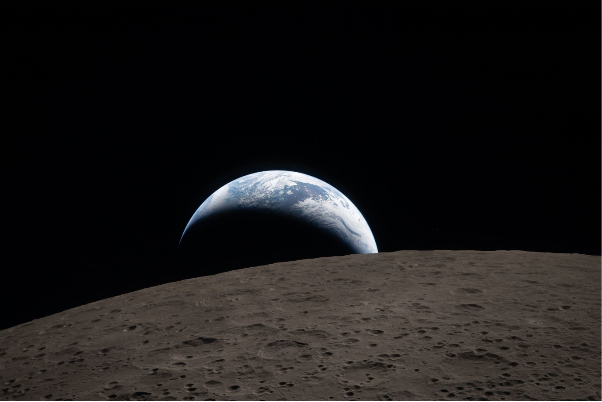
With humans back around the moon, the photos taken I find have clearly had human thought put into them, from the shots with earth behind the moon, to the eclipse photos, and even the photos taken from inside the cabin. The photos of the moon were taken with intention, not automation, and the photos featuring the crew provide an inspiring look at what human teamwork and collaboration can achieve.
To add to the relatability of the photos, one of the cameras being used on this mission isn’t NASA specific technology, but the iPhone 17 Pro, the same camera that many people on Earth take everyday photos with. Whilst it is a modern high end phone, it is clear that the difference between the technology used in space and on earth is less than most would expect.
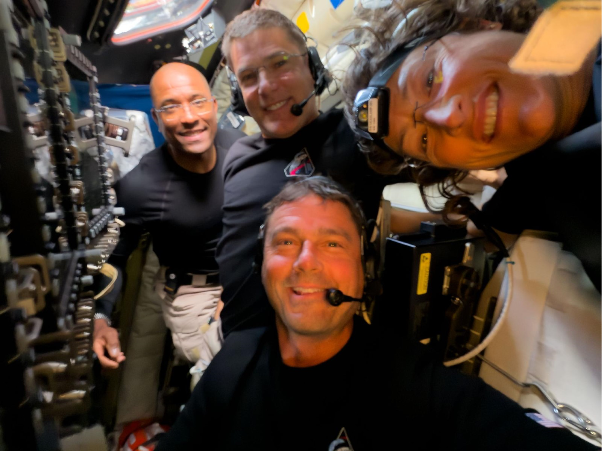
Overall, Artemis 2 was a human led mission, which will inspire and be relatable to all of humanity. I have seen so many of my fellow students once again talking about space travel, from the massive space fanatics to people I would have never expected to have cared about the topic, allowing us to bond over such an extraordinary expedition.
While the UK may not yet have a manned space program, there are many academic institutions such as Northumbria University developing academic courses in the space tech field, with many future students inspired by this mission.
This was created by young people as part of the Headliners Young Journalist programme. This project was made possible by the Million Hours Fund.
