
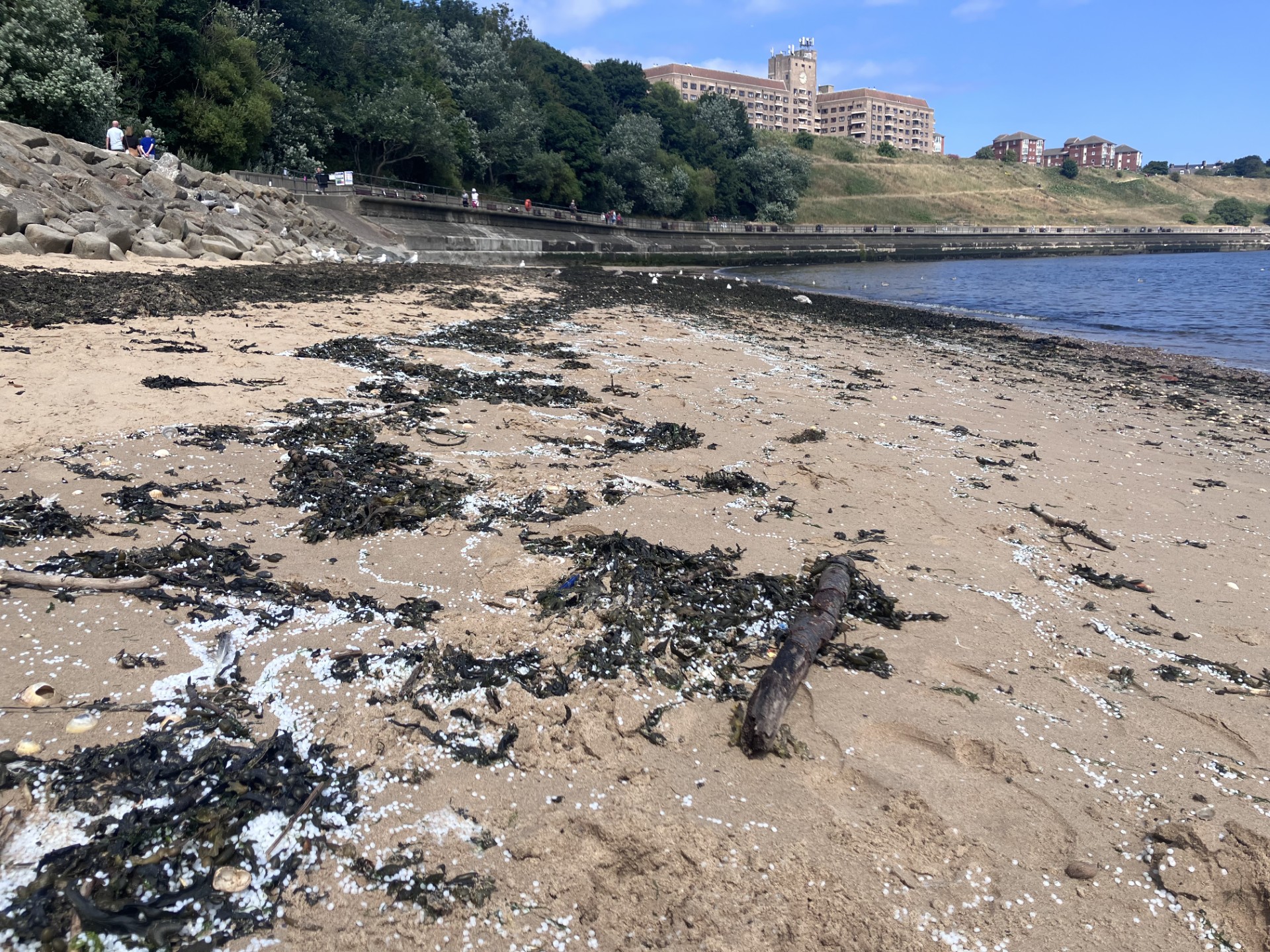
Ship collision in the Tyne releases approximately one billion plastic pellets into North Sea.
By young person Sergi, age 16.
A ship collision at the Port of Tyne threatens to cause an environmental crisis on the north east coast. The Wind Orca Ship collided with the berthed container ship BG Orange, causing a spill of up to 25 tonnes of nurdles (small plastic pellets used to manufacture most plastic products) into the river. A crane was also damaged in the incident.
Almost one billion nurdles are believed to have been released into the water, with large amounts washing up on Tyneside beaches and some reaching as far as Sunderland. The Environment Agency have said that while the pellets aren’t considered toxic, they can “pose a risk to wildlife if ingested”, with alarms also being raised about the spill’s proximity to Marsden Bay, an important sea bird colony.
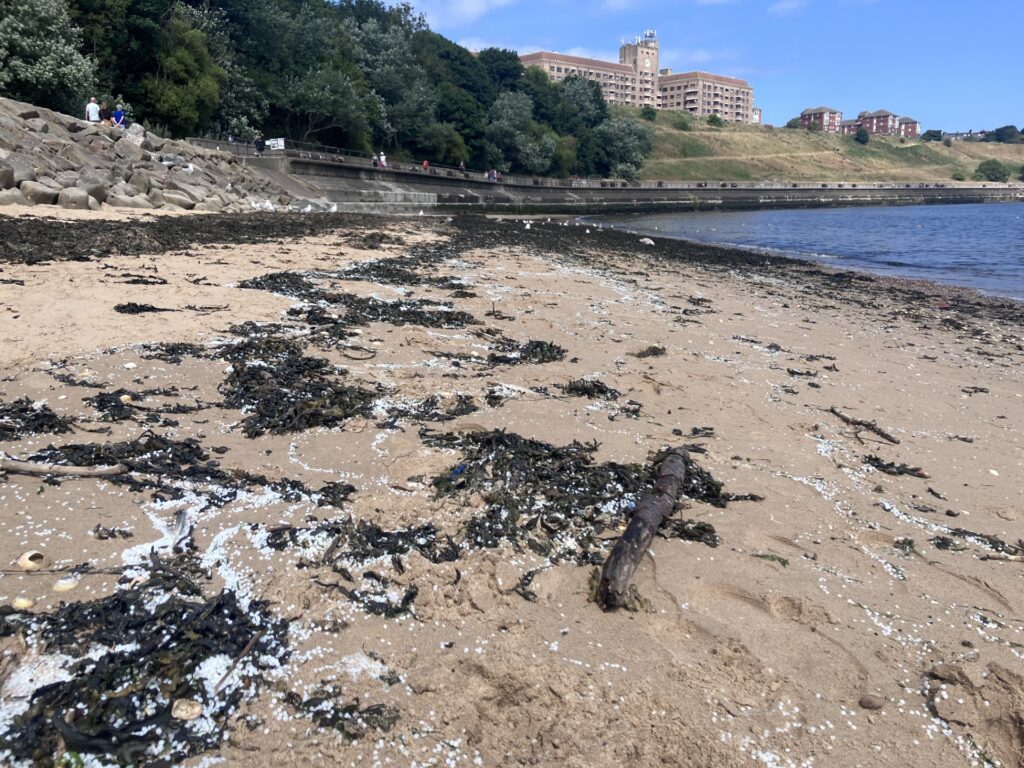
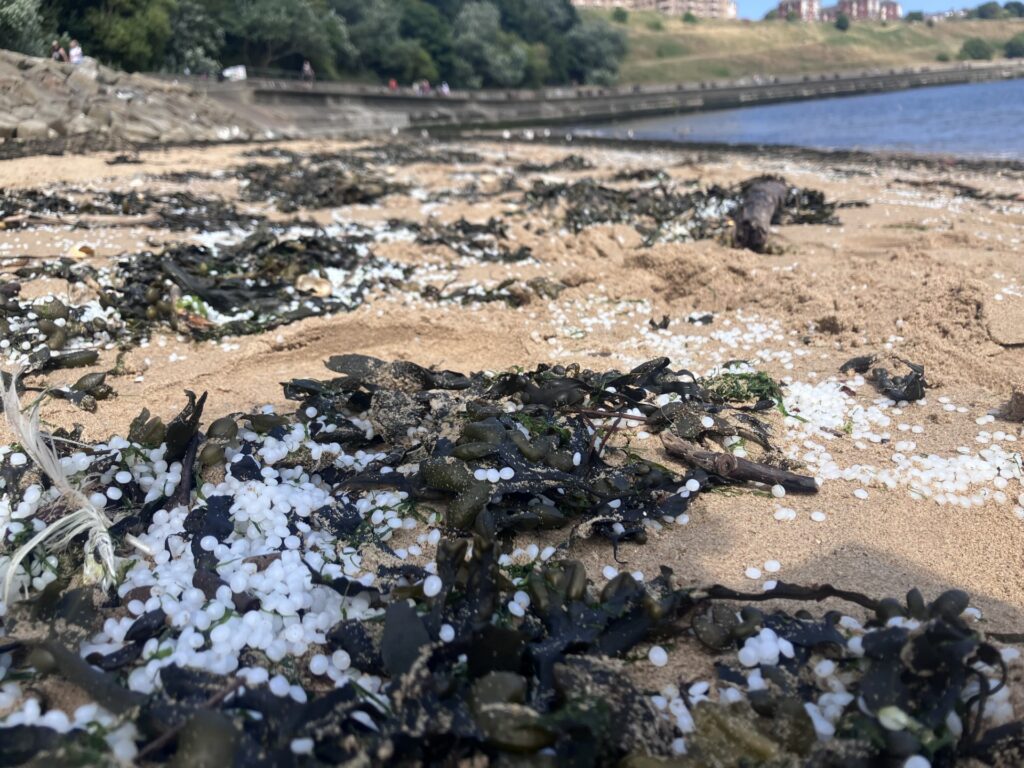
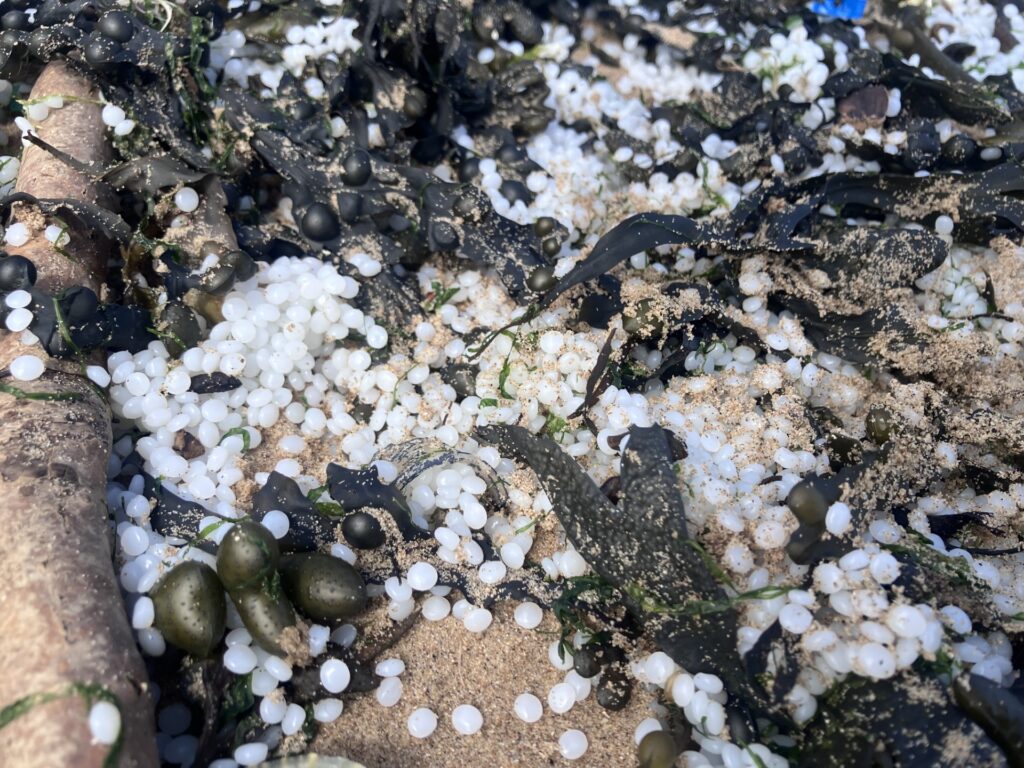
I spoke to a local volunteer for the Tynemouth Seal Hospital, Mark Husmann, who was helping to clean up the nurdles at North Shields. He called the incident an “absolute disaster”, pointing to the fact that the nurdles will “stay in the environment for hundreds of years” and “enter the food chain”, therefore having negative effects on humans who eat the animals that have ingested the pellets. Husmann also criticised local authorities for not addressing the issue faster, stating “they should have cleaned up the river quicker before [the nurdles] all got washed out beyond the beaches”.
This sentiment was echoed by North Tyneside Mayor Karen Clark, who said she will “be seeking answers” over the speed of Port of Tyne’s “initial response and the effectiveness of their communications with local authorities”, stating that it was “clear” the response should have been faster. Port of Tyne has asserted that their “response plan to the pellet spill was activated immediately” after they became aware of it, saying that responding to the collision is a “multifaceted and complex salvage operation which cannot be hurried”.
But several locals in North Shields have taken it upon themselves to help clean up the pellets, despite residents being advised not to handle them by local councils. Inga Allen, a local business owner, was at North Shields beach with a group of parents who chose to homeschool. She said that this gives her a “community based” mentality, stating that if the public work with the council to help clear the pellets there will be a “quicker impact” in reducing the pollution caused by the spill. She also said the group was “taking precautions” in the clean up, bringing hand sanitiser and bin bags.
The Environment Agency has said that they intend to carry out “a thorough investigation” into the circumstances surrounding the incident in order to “consider whether any regulatory action is appropriate.” It has also said that under the “polluter pays” principle, those responsible for the pollution will be responsible for the cost of the cleanup. Senior project manager at Fidra (an environmental charity), Heather McFarlane, has said that most pellet pollution can be prevented with better packaging and safer storage.